Does Reverse Osmosis Remove Lead? What Indio Homeowners Should Know
Quick Summary: Yes — a reverse osmosis system removes up to 99% of lead from drinking water, and systems certified to NSF/ANSI Standard 58 are independently tested for lead reduction. Indio’s water comes from the Coachella Valley aquifer and is treated and monitored by the Indio Water Authority and Coachella Valley Water District to meet EPA standards, but lead can still enter water inside older homes through lead solder, brass fixtures and aging service lines. Because the EPA’s health goal for lead is zero, many Indio families add point-of-use RO protection at the kitchen tap. A free Culligan of Indio water test shows whether your home needs it.
Yes — reverse osmosis removes up to 99% of lead from drinking water. An RO membrane’s pores are far smaller than dissolved lead, which makes it one of the most effective residential defenses against lead and other heavy metals. Systems certified to NSF/ANSI Standard 58 are independently tested specifically for lead reduction, so you are not relying on a marketing claim.
But should Indio and Coachella Valley homeowners actually worry about lead? Here is an honest look at where the risk comes from, how much a reverse osmosis system can do about it, and how it compares to pitcher, refrigerator and whole-house filters.
Does Reverse Osmosis Remove Lead?
Reverse osmosis works by pushing water through a semipermeable membrane under pressure. Water molecules pass through; dissolved metals such as lead, arsenic and chromium-6 are rejected and flushed to the drain. Because lead is removed physically rather than chemically, RO performance does not depend on the pH or hardness of your water the way some other treatment methods do.
A typical under-sink RO system treats water in three stages:
- Pre-filtration – Sediment and activated carbon filters remove chlorine, chloramine and particles that could damage the membrane.
- RO membrane – Rejects up to 99% of lead, along with arsenic, nitrates, PFAS, fluoride and most total dissolved solids.
- Post-filtration – A polishing carbon filter improves taste and clarity before the water reaches your tap.
Culligan’s Aquasential® Smart RO adds further stages and app-based filter monitoring, and every system installed by Culligan of Indio is set up and maintained by local technicians who know Coachella Valley water.
How Does Lead Get Into Indio Tap Water?
Indio’s water is groundwater pumped from the Coachella Valley aquifer, with Colorado River water used to recharge the basin. The city of Indio is served by the Indio Water Authority (IWA); much of the surrounding valley is served by the Coachella Valley Water District (CVWD). Both utilities treat and test the supply under the federal Lead and Copper Rule, and lead is not a natural component of the aquifer water itself.
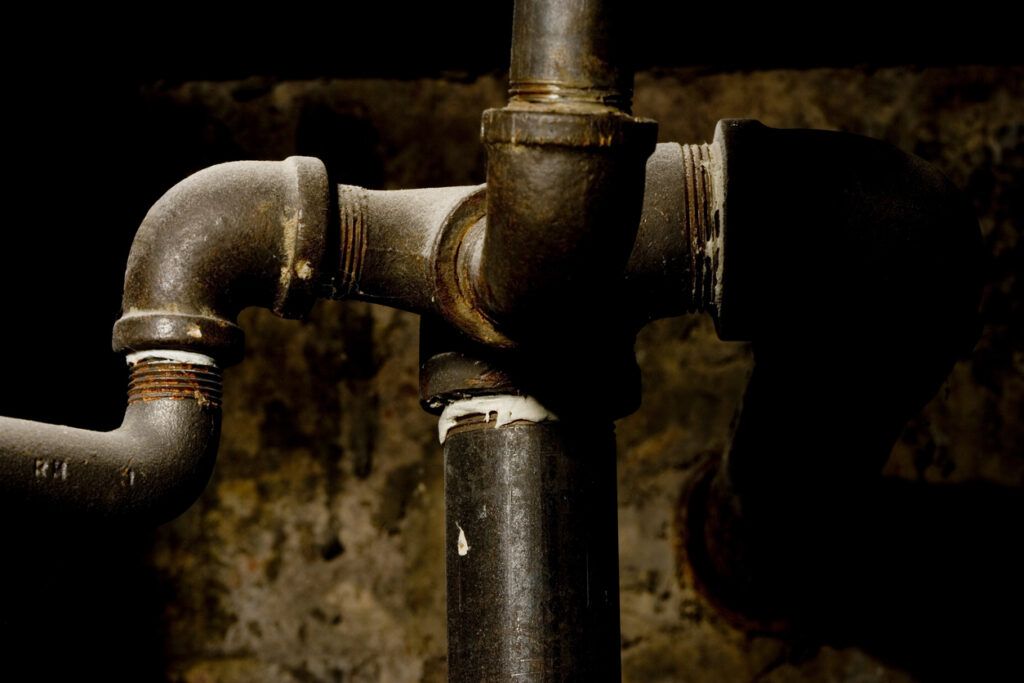
The lead risk that remains in Indio is inside the home, not in the aquifer. Homes plumbed before 1986 commonly used copper pipe joined with lead-based solder, and older brass faucets and valves can also contain lead.
When water sits in contact with these materials overnight or while you are away, small amounts of lead can dissolve into it. That is why a utility with clean mains can still have individual taps that test positive, and why the highest readings usually come from the first draw of the morning.
Indio’s very hard, mildly alkaline groundwater works slightly in homeowners’ favor here: hard water tends to be less corrosive to plumbing than soft, acidic water. It does not, however, eliminate leaching from lead solder or brass, and it brings its own problems with scale and staining.
Why Even Small Amounts of Lead Matter
The EPA’s maximum contaminant level goal for lead is zero, because no level of exposure is considered safe. The enforceable federal action level was 15 parts per billion for decades; under the 2024 Lead and Copper Rule Improvements it drops to 10 ppb, and utilities nationwide must inventory and replace remaining lead service lines. Health effects of long-term exposure include:
- Developmental delays and learning problems in children
- Increased risk of lead poisoning with cumulative exposure
- High blood pressure, kidney issues and cardiovascular problems in adults
That zero-goal standard is why many families in older Indio, Coachella and Cathedral City homes choose an extra layer of protection at the tap they actually drink from.
How Much Lead Does RO Remove?
A properly maintained RO system certified to NSF/ANSI 58 reduces lead by up to 99%. In practical terms, water that tested at the federal action level would come out of the RO faucet well below the detection limit of most home test kits. Three things keep performance at that level:
- Fresh pre-filters. Chlorine and sediment that reach the membrane shorten its life and reduce rejection rates. Most pre-filters are changed every 6–12 months.
- A healthy membrane. Membranes typically last two to five years; Indio’s high mineral content means they work harder, so annual checks matter.
- Adequate pressure. RO needs pressure to work. Low household pressure lowers both output and rejection, which a technician can correct with a booster pump.
Because RO treats water at a single tap, it protects drinking and cooking water — the water that matters for lead exposure — rather than the water used for showers, laundry and irrigation.
RO vs. Pitcher Filters vs. Whole-House Filters for Lead
Not every filter removes lead, and this is where buying by certification matters more than buying by brand. Look for the NSF/ANSI standard on the packaging, not just the word “filtered.”
| Filter type | Removes lead? | Look for | Best for |
|---|---|---|---|
| Reverse osmosis (under-sink) | Yes – up to 99% | NSF/ANSI 58 | Drinking and cooking water; also removes arsenic, nitrates, PFAS, TDS |
| Carbon block pitcher or faucet filter | Some models | NSF/ANSI 53 with lead listed | Renters and low-volume use; cartridges need frequent replacement |
| Refrigerator filter | Varies | NSF/ANSI 53 (many are 42 only) | Taste and odor; check the specific model’s certification |
| Whole-house carbon filter | No (not designed for it) | NSF/ANSI 42 | Chlorine, chloramine and sediment for every tap |
| Water softener | No | NSF/ANSI 44 | Indio’s 15–17 gpg hardness; protects plumbing and appliances |
A common question in Indio is whether a water softener removes lead. It does not. Softeners exchange calcium and magnesium for sodium or potassium and are designed for hardness, not heavy metals. The same is true of a whole house water filter: it protects plumbing and improves shower water, but it is not a lead barrier. Many Indio households pair a softener or whole-house filter with an RO system at the kitchen sink so the whole home is covered.
How to Test Your Water for Lead
You cannot see, taste or smell lead in water, so testing is the only way to know. Utility results tell you about the system as a whole; they do not tell you what is happening in your own plumbing. Here is how to get a clear answer:
- Read your Consumer Confidence Report. IWA and CVWD publish annual water quality reports that include 90th-percentile lead and copper results from household sampling.
- Ask about your service line. Utilities were required to complete service line inventories in 2024; your provider can tell you what material serves your address.
- Check your home’s age. Homes built before 1986 may have lead solder; brass fixtures made before 2014 may contain more lead than today’s “lead-free” standard allows.
- Test at the tap. A first-draw sample after water has sat for six or more hours shows the worst case. Culligan of Indio offers a free in-home water test that checks your water where you actually drink it.
Until you have results, two habits reduce exposure: run the cold tap for 30 seconds to two minutes before drinking if the water has been sitting, and never use hot tap water for drinking, cooking or preparing infant formula, since hot water dissolves lead more readily.
Should You Install an RO System in Indio?
If your home was built before the mid-1980s, still has original brass fixtures, or you simply want drinking water held to the EPA’s zero-lead goal rather than the enforceable limit, a point-of-use RO system at the kitchen sink is the most direct answer. It also improves the taste of coffee, tea and ice, and it removes the dissolved minerals and other contaminants that come with Coachella Valley groundwater. Pricing depends on the system and your water, so it starts with a free test rather than a price list.
Frequently Asked Questions
Does reverse osmosis remove 100% of lead?
No filter removes 100% of anything, but NSF/ANSI 58 certified RO systems are tested to reduce lead by up to 99%, which brings even elevated levels well below the federal action level. Regular filter changes keep performance at that level.
Does a water softener remove lead?
No. A softener removes hardness minerals, which is valuable in Indio, but it is not designed or certified for lead reduction. Pair it with an RO system if lead is a concern.
Is there lead in Indio’s water supply?
Lead is not naturally present in the Coachella Valley aquifer, and IWA and CVWD treat and monitor the supply under the Lead and Copper Rule. When lead shows up at a tap, it almost always comes from plumbing inside or leading to the home. Check your utility’s latest water quality report and test your own tap to be sure.
Does boiling water remove lead?
No. Boiling evaporates some water and actually concentrates the lead that remains. Only filtration certified for lead reduction, such as reverse osmosis, removes it.
How often should RO filters be changed?
Pre- and post-filters are typically replaced every 6–12 months and the membrane every two to five years, depending on water quality and use. Culligan of Indio service plans handle this on schedule.
Find Out What’s Actually in Your Water
Lead isn’t visible, but it is testable. The only way to know whether your home’s plumbing is adding lead to otherwise clean Coachella Valley water is to test at the tap. Culligan of Indio will test your water for free, explain the results, and recommend a system only if you need one.